Drift Logs
Entries of thoughts, reflections, meditations...
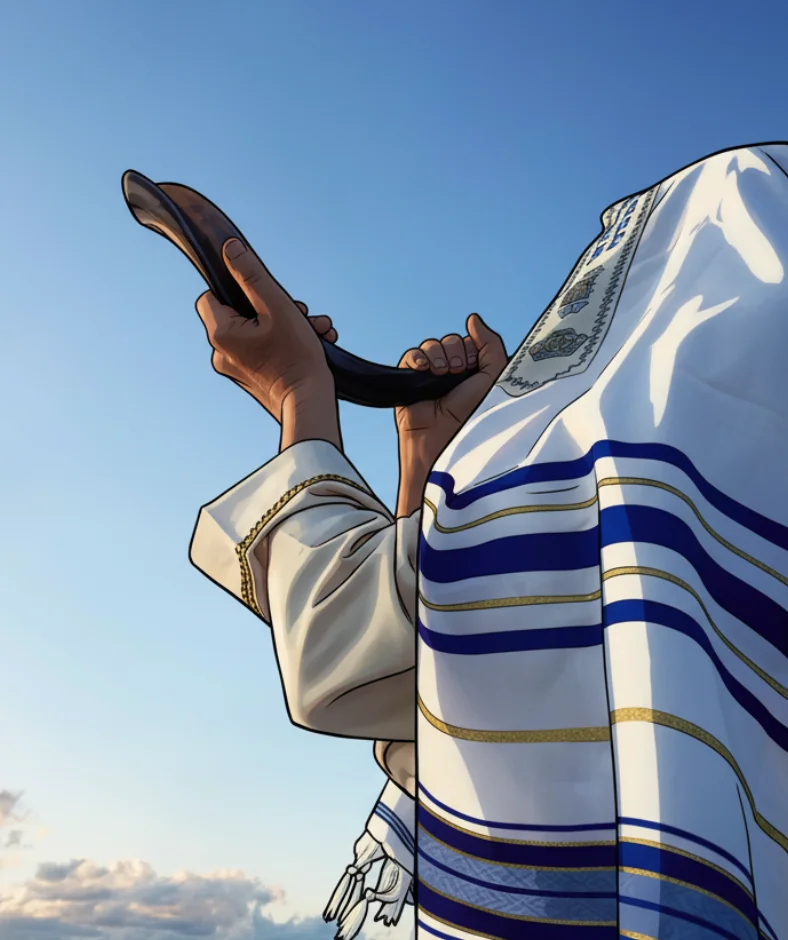
The call to return
There is a story written into the heart of Israel. A people leaving slavery. Walking into the wilderness. Following a promise they could not yet see. Forty years of desert. Years of wandering. Years of doubt. Years of falling, returning, learning, and beginning again.
This is Israel’s story. But perhaps the desert is also a place every human being knows. We are all wandering. Sometimes we know where we are going. Sometimes we only keep walking because standing still hurts more. We lose our way. We carry things we should have left behind. We hurt others. We hurt ourselves. And still, God remains merciful.
Rosh Hashanah arrives as a call to wake up. To remember, to look back, to listen. To turn around where we have gone astray. But perhaps renewal also requires another kind of mercy: grace for ourselves. Not excusing what we have done. Not pretending the past did not happen. But allowing ourselves to return.
And then, perhaps, extending that same mercy to the people walking beside us. Because they are wandering too. Everyone carries a desert. Everyone has battles nobody sees. Everyone has moments when the stars disappear behind the clouds.
So as another year begins, may we remember: we are not required to have everything figured out. We are called to keep walking. To become more merciful. More awake. More willing to return.
The story began in the desert. But it does not belong only to that desert. It belongs to every wanderer beneath the same sky.
Shanah Tovah.
May the coming year be good. May it be sweet. May we find our way.
And may we never forget the One who walks with us through the wilderness.
---
Gabriel Zéman
2026.09.11.

ONLY MEMORIES
Before freedom, there are sometimes the darkest nights and the hardest fights.
Even after we leave them behind, we carry the loss, the wounds, the silence, the pain.
But not forever.
Time moves.
The wounds become scars.
The scars become memories.
And one day, we look back and realize:
The old days are gone.
The night has passed.
Freedom is real.
---
Gabriel Zéman
2026.08.30.
One more coffee...
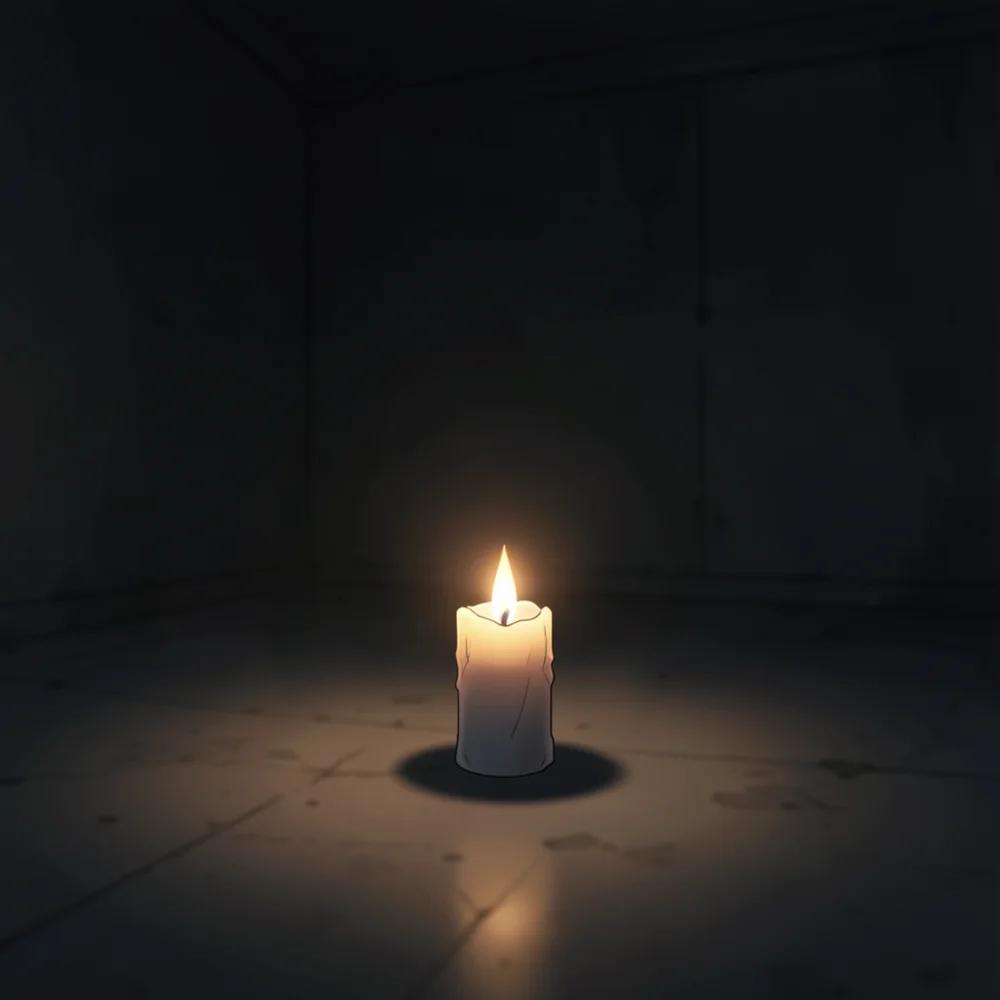
Six million
We remember the six million. Not as numbers, but as souls, names, and worlds.
Memory is resistance. Remembrance is duty.
We stand, so it is never repeated.
---
STARGAZER
2026.01.27.
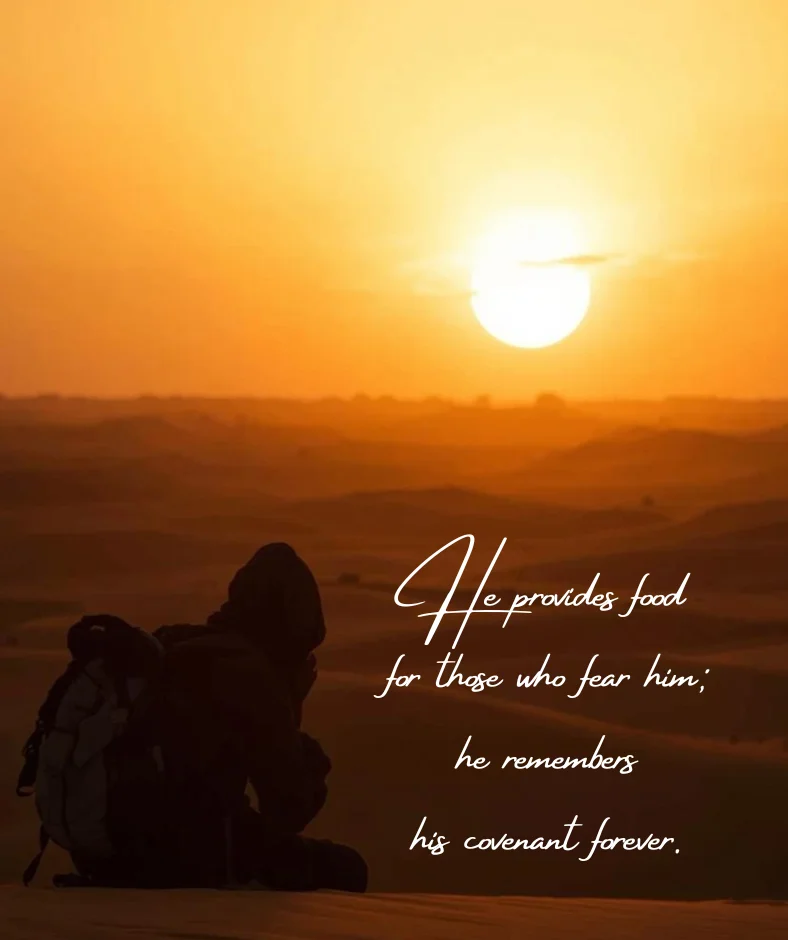
Daily Bread in the Desert
There are moments in life when faith is not heroic, loud, or triumphant.
Moments when it is not sung, displayed, or declared.
Moments when faith is simply standing: waiting, watching, holding posture while the outcome remains unknown.
Scripture knows these moments well.
They are not treated as failures of belief,
but as its most honest terrain.
It was in such a moment that Psalm 111:5 speaks with quiet precision:
“He provides food for those who fear him;
he remembers his covenant forever.”
(NIV)
This sentence does not belong to palaces or moments of excess.
It belongs to the desert.
It assumes uncertainty.
It speaks to those who have learned that control is limited and that endurance matters more than spectacle.
The Hebrew word translated here as “food” is téref.
This is not the language of luxury.
Not abundance.
Not comfort.
Téref means sustenance:
the portion necessary to survive,
to continue,
to remain standing.
It belongs to the world of manna in the wilderness:
daily provision,
sufficient for now,
impossible to hoard.
This verse does not promise ease.
It promises continuation.
You may not be comfortable.
But you will not be abandoned.
You will be given what allows you to move forward one more day.
The verse says that God provides.
In Hebrew thought, this is not merely an action. It is character.
God is not presented as a distant observer who occasionally intervenes,
but as One whose nature is to give.
Provision is not an exception.
It is covenant behavior.
Just as gravity does not need reassurance to function,
God’s faithfulness does not depend on our emotional stability
or clarity in a given moment.
This provision is given to “those who fear him.”
Here again, Scripture resists shallow readings.
Fear here does not mean terror.
It does not mean anxiety.
It means alignment.
Reverent awareness.
Correct posture.
To fear God is to recognize that you are not the source.
To stop pretending you are self-sufficient.
To stand honestly before reality.
This is not weakness.
It is accuracy.
And provision flows toward those who no longer live under illusion.
The verse then deepens its meaning:
“He remembers his covenant forever.”
In biblical language, remembering is not mental recall.
When God remembers, He acts.
Promises made in the past are brought into the present.
History moves.
Deliverance happens.
God’s memory is not passive.
It is faithful, active, and alive.
What sustains you today
is not merely today’s effort,
but a promise spoken long before you were born.
Jewish tradition understands this verse as an echo of the manna in the wilderness.
God fed Israel daily. Not because they were flawless,
not because they were strong,
but because He had bound Himself to them in covenant.
The same logic applies now.
Provision today flows from faithfulness yesterday.
God’s care is not improvised.
It is remembered.
This verse speaks quietly, but directly,
to fathers, guardians, and those who carry responsibility without applause.
To those who wait while outcomes remain hidden.
To those who stand watch in uncertainty.
It does not promise that fear will vanish.
It does not promise immediate clarity.
It promises something more grounded:
You will receive what you need to stand today.
Not always comfort.
Not always answers.
But enough.
This is the Stargazer posture.
Not demanding abundance,
but receiving the portion.
Not fearing lack,
but fearing God.
Not living by illusion or control,
but by covenant.
Standing,
not because everything is resolved,
but because God remembers.
---
Gabriel Zéman
2026.01.26.
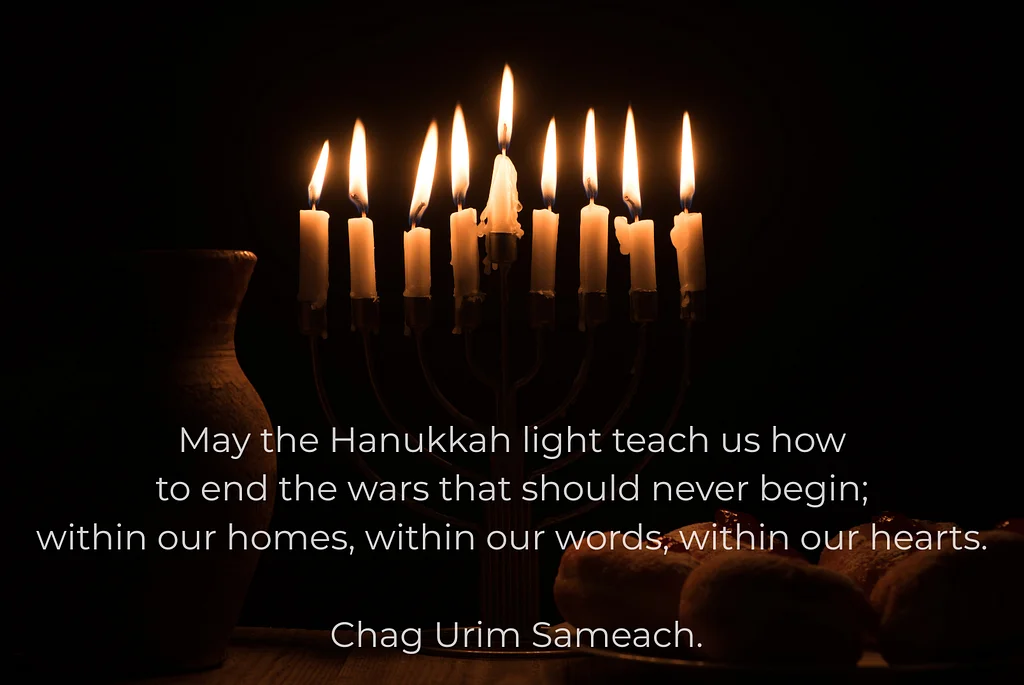
Ending the wars that should never begin
The historical background of Hanukkah is a war.
The Maccabean revolt was born from conflict between neighboring peoples: people who, in everyday life, could have lived beside each other in peace.
It was not ordinary human closeness that failed first, but pressure, power, and the will to reshape the other in one’s own image.
And this pattern did not disappear with history.
Even today, even during Hanukkah, wars still begin.
Not only between nations, but within homes.
Between siblings over small things.
Between couples over words, jokes, misunderstandings, unspoken fears, old wounds.
We argue over things that seem small…
because what is really hurting lies deeper.
We forget to appreciate something essential:
the simple presence of the other.
While not far from us there are wars, loss, hunger, and grief,
we sit in warm homes, in relative peace,
and yet we fight our own quiet wars.
Why?
Because we try to Hellenize each other.
We try to force our will, our perspective, our humor, our emotional tempo,
sometimes even our rudeness, onto those closest to us.
And pressure always creates resistance.
Resistance turns into revolt.
And suddenly, there is war.
Hanukkah reminds us of something important:
the war did not define the story.
The ending did.
The war ended.
The Temple was rededicated.
And light returned, not because everything was perfect,
but because people chose to restore what was sacred.
So perhaps our task is this:
to end our wars before there are irreparable losses.
To choose to see the good, not only the wounds.
To remember the many quiet acts of kindness, not only the moments of pain.
And maybe the deepest lesson of Hanukkah is this:
when we turn toward the Light together,
we stop staring at each other’s flaws.
If we face the same direction,
we argue less about who is wrong
and walk more toward what is right.
The Light is still there.
Not for one day, but for eight.
Maybe even forever.
Calling us
to end the wars,
to choose gratitude,
and to remember how to love.
---
2025.12.21.
Gabriel Zéman
Dedication
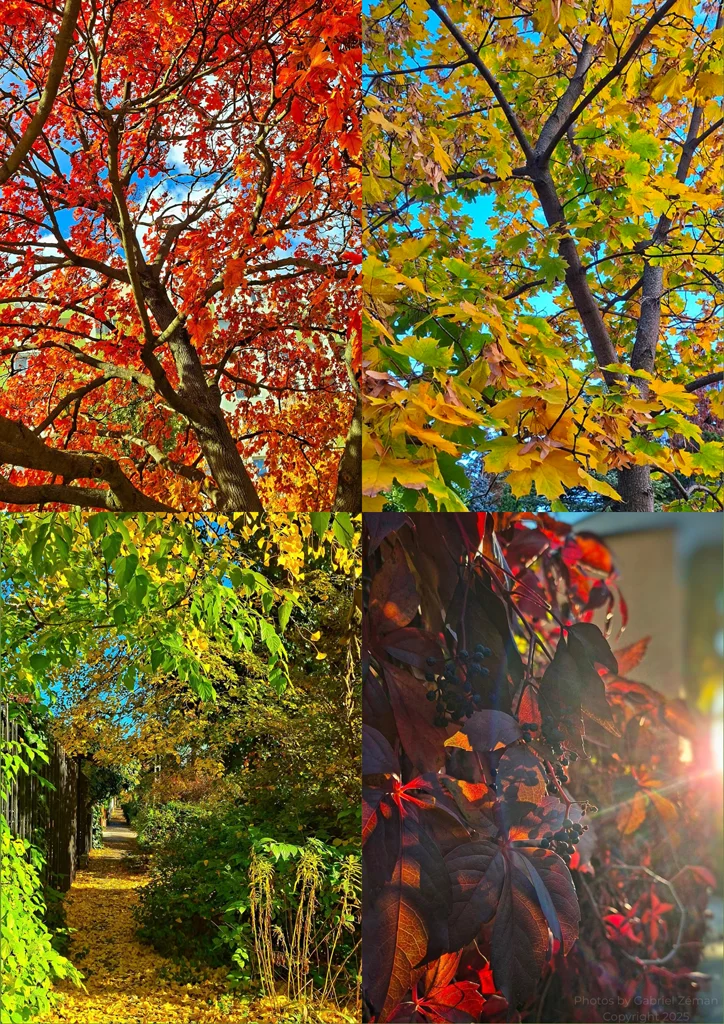
What is your favorite color?
Under Fall's Heaven,
we were just walking and
talking about silly little things...
We gazed at the crystal clear sky and the divinely painted palettes of the leaves, they were just dancing in the winds.
Then she asked:
- What is your favorite color?
- It's October - I said.
- But it is not a colour - she replied.
- Just look around, dear. Maybe, you are right. It's a whole palette. The memory of death and rebirth.
---
Gabriel Zéman
2025.10.28.
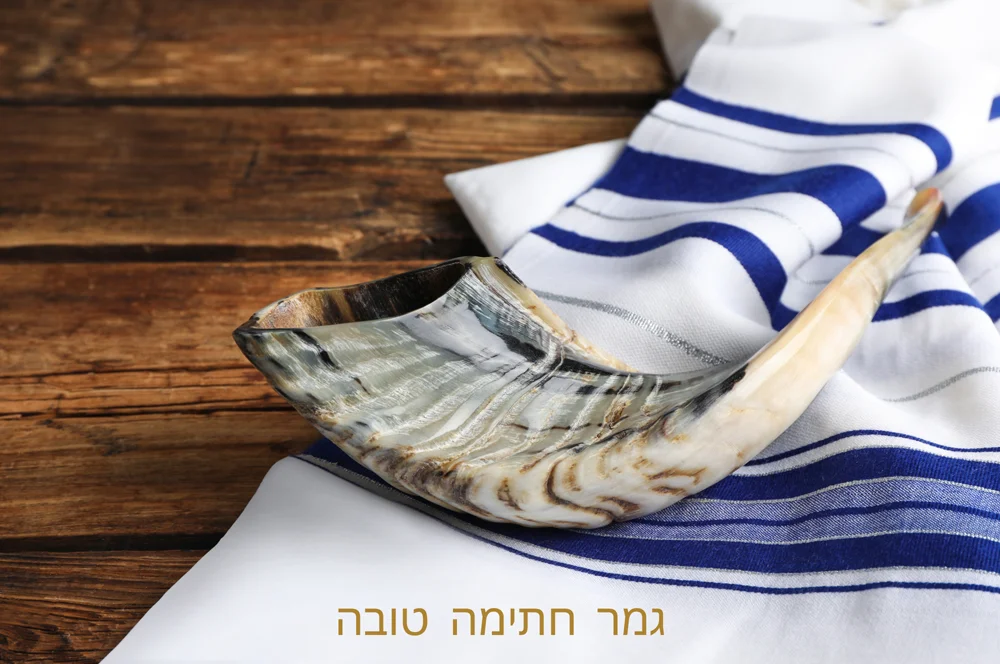
When the Soul Returns to Its Root
Yom Kippur is called the Day of Atonement, but its deeper name is return. A return of the soul to its source, before roles, before wounds, before the many selves we learned to wear.
The Zohar teaches that on this day, the lower world aligns with the higher worlds.
The noise thins.
Judgment softens into mercy.
And the soul is invited to rise.
We fast not because the body is sinful, but because the soul remembers how to breathe without weight.
Hunger becomes prayer.
Emptiness becomes space for light.
We remove leather shoes and walk lightly upon the earth, as one who knows he is dust and breath both.
Not conqueror, but witness.
Not owner, but guardian.
We do not wash or adorn the body, for this is the day when appearance releases its claim.
The soul stands unpolished, truthful, seen.
Pleasure pauses, not to deny joy, but to hear the still voice beneath it, the voice that knows where we strayed, and where the path still waits.
Yom Kippur teaches a universal truth:
that no soul is broken beyond return,
that confession opens gates,
and that humility repairs worlds.
For one sacred turning of the sun, the warrior lays down his armor, the judge becomes a seeker, and the human being stands before the Infinite and says:
“I am here. I am willing to change.”
And the mystery is this:
the gates are not closing us out, they are closing time itself, so eternity can touch the heart.
May we be sealed not in fear, but in life. May our return restore not only ourselves, but the worlds bound to us.
G’mar Chatimah Tovah.
---
Gabriel Zéman
2025.10.02.

SHALOM
Sometimes we need to drift alone for a while.
To put the complicated thoughts down, breathe, and remember that simply being here is already enough.
Need more coffee.
Less thoughts.
More coffee.
And for a little while, nothing else.
---
Gabriel Zéman
2024.09.29.